Professional Bed Bug Inspection Greensboro NC for Thorough Pest Detection
Expert Bed Bug Elimination Services to Get Rid Of Outbreaks
Bed bug invasions pose significant challenges for homeowners. DIY methods often prove inadequate, resulting in ongoing problems. Professional exterminators employ advanced methods to effectively identify and eliminate these pests at all life stages. Recognizing the limitations of self-treatment is crucial. Yet, many remain ignorant of what comprehensive extermination involves. The next steps in tackling such infestations can make all the difference in restoring peace of mind.
The Constraints of DIY Techniques: Why Professional Bed Bug Control Is Necessary
Although many property owners may endeavor to tackle bed bug infestations on their own, the limitations of DIY methods often render them unsuccessful. Common approaches, such as using commercial insecticides or household remedies, regularly fail to address the root cause. Bed bugs are adept at nestling in small openings, making it challenging for laypeople to locate and destroy all infested areas. Additionally, faulty deployment of remedies can lead in resistance, worsening future control efforts.
Moreover, self-help techniques often overlook the thorough strategies that trained specialists apply, such as meticulous inspections and specialized thermal applications. The emotional and financial toll of an sustained pest outbreak can compound the situation, urging property occupants to find more effective solutions. Ultimately, investing in professional bed bug extermination services guarantees a more stable and enduring fix, allowing homeowners to reclaim their personal environments with trust.
Examine Expert Procedures Employed by Bed Bug Professionals
Professional bed bug specialists employ a range of advanced techniques to effectively eradicate infestations that DIY methods often overlook. One prominent method is the use of heat treatment, where infested areas are warmed to heat levels lethal to bed bugs at all stages. This strategy is particularly effective, as it reaches into furniture and walls where insects may conceal themselves.
In addition, pest management specialists frequently utilize integrated pest management (IPM) techniques, integrating chemical treatments with non-chemical methods. This may consist of the application of insecticides specifically formulated for bed bugs, along with thorough evaluations and observation.
Traps and detection equipment are also deployed to assess the extent of the infestation and ensure complete eradication. Furthermore, some professionals are now adopting innovative methods, such as canine detection units, which use specially trained dogs to locate bed bug infestations with high precision. These sophisticated techniques improve the efficacy of bed bug extermination operations significantly.
What to Expect From Your Bed Bug Extermination Appointment
A typical bed bug extermination appointment requires a systematic approach to identifying and eliminating infestations. To begin, the service technician conducts a thorough inspection of the premises, zeroing in on common hiding spots such as mattresses, bed frames, and furniture. This assessment helps determine the magnitude of the problem.
After the inspection, the exterminator will review the findings with the homeowner and present the proposed treatment plan. This plan may include techniques such as heat treatment, pesticide treatments, or a mixture of both, based on the extent of the pest problem.
The homeowner will be given setup guidelines, which may include taking out belongings and guaranteeing simple entry to impacted zones. During the treatment, the exterminator will implement the selected techniques meticulously, making sure all areas are covered. After the treatment, a subsequent visit may be arranged to track results and guarantee the complete removal of bed bugs.
Understanding the Expenses of Bed Bug Extermination
Grasping the expenses related to bed bug removal can be vital for property owners facing an infestation. The costs generally vary based on multiple factors, such as the severity of the infestation, the size of the property, and the removal methods employed. Most experts offer a range of treatments, from pesticide treatments to heat treatments, every one with its own cost range.
In general, property owners should anticipate costs between $300 and $1,500, determined by how significant the problem is. Initial evaluations might require supplementary fees, and subsequent treatments may also contribute to the combined cost. Many firms extend guarantees, which could influence rates yet provide peace of mind. It remains vital for homeowners to collect numerous estimates and question about what is covered to discover the best worth. Grasping these monetary considerations enables homeowners to decide carefully when managing a tough situation effectively.
Essential Preparations for Your Home Before Pest Extermination
Prior to starting bed bug removal, property owners should implement essential measures to ready their space effectively. Removing cluttered spaces, washing bedding thoroughly, and eliminating household belongings are critical actions that can enhance the extermination procedure. Proper readiness not only aids in the efficacy of treatments but also comprehensive resource reduces the chance of bed bugs dispersing during the process.
Clean out cramped spaces
Removing cluttered areas is a key step in preparing a home for efficient bed bug extermination. Clutter provides many hiding spots for bed bugs, making it challenging exterminators from detecting and eradicating infestations. By taking away unnecessary items from floors, shelves, and under beds, homeowners create a more open environment for treatment. This process involves sorting through boxes, bags, and other belongings, making sure that items are either thrown away, donated, or stored correctly. Furthermore, clearing surfaces helps reveal potential bed bug habitats, such as furniture seams and cracks. Proper organization not only helps extermination efforts but also aids in post-treatment monitoring, ultimately leading to a more successful and comprehensive eradication of bed bugs.
Wash Bedding Thoroughly
Washing linens in thoroughly is a required step in readying for bed bug extermination. This method requires removing all sheets, pillowcases, and blankets from the bed, ensuring that they are cleaned in hot water. High heat are essential, as they can effectively kill both bed bugs and their eggs. After washing, items should be dried on a high heat mode for at least 30 minutes to make certain any leftover pests are eradicated. It is also suggested to store clean, bagged bedding in a sealed box to prevent re-infestation. By using these safety measures, homeowners can help build an environment that facilitates the removal efforts, ultimately boosting the effectiveness of professional bed bug interventions.
Take Away Your Private Items
Removing private items is a vital step in setting up a home for bed bug extermination. This process not only reduces clutter but also allows exterminators to access infested areas more effectively. Items such as clothing, toys, and electronics should be meticulously removed and stored in sealed plastic bags to prevent any further spread of the pests. It is important to keep these items away from treated zones until the extermination process is complete. Additionally, removing private items helps homeowners to assess the extent of the infestation and identify any items that may need discarding. By taking these measures, individuals can contribute markedly to the success of bed bug extermination efforts, ensuring a bug-free living environment.
How to Efficiently Prepare and Avoid Future Bed Bug Outbreaks
To adequately get ready for and avoid upcoming bed bug infestations, routine inspection methods are essential. Homeowners should implement effective preventative measures, such as closing gaps and using defensive bed coverings. By maintaining vigilance and implementing these approaches, the chance of reinfestation can be greatly reduced.
Routine Assessment Practices
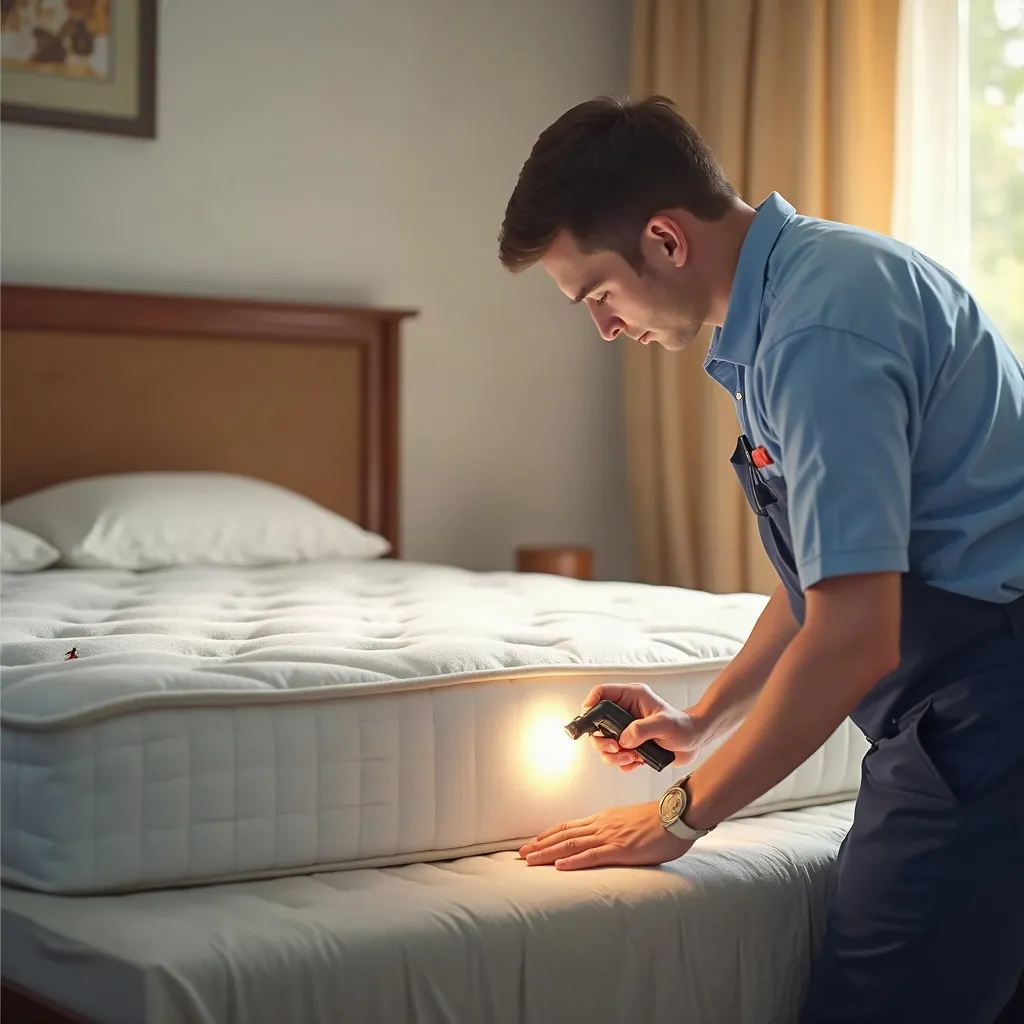
Periodic assessments are crucial for preserving a bed bug-free space, since these pests can expand and propagate rapidly. Conducting comprehensive reviews in key zones, such as mattresses, bed frames, and upholstered furniture, helps recognize initial signs of infestations. Examining seams, crevices, and folds is crucial, as bed bugs often conceal in these spots. Regular surveillance of luggage and second-hand items is also recommended, as these can bring new insects. Homeowners should establish a routine inspection schedule, ideally every few months, to catch any potential issues early. Educating residents about the indicators of bed bugs, such as small rust-colored spots or shed skins, enhances the effectiveness of these inspections, advancing a proactive tactic to pest management.
Successful Preventative Tactics
Deploying robust preventative approaches is critical in shielding homes against bed bug occurrences. Homeowners should persistently assess sleeping areas, paying attention to seams of mattresses and bed frames. Utilizing protective mattress encasements can also prevent bed bugs from taking root. When traveling, it's sensible to keep luggage elevated and examine hotel rooms for indicators of bed bugs before unpacking. Additionally, limiting clutter in living spaces reduces hiding spots. Routine vacuuming, particularly in areas where pets congregate, can help eradicate potential hitchhikers. Ultimately, being conscious of neighbors' pest issues can motivate preventive measures, as bed bugs can easily move between units. By implementing these strategies, residents can substantially reduce the likelihood of future infestations.
Tested Strategies to Prevent Future Bed Bug Infestations
Although bed bug infestations can be challenging to eradicate, employing proven strategies can considerably reduce the risk of future incidents. Regular inspections of residential areas are crucial; residents should look for signs of bed bugs, such as discarded exoskeletons or black marks, particularly in bedrooms and around furniture.
Wrapping mattresses and box springs in protective covers can prevent bed bugs from settling in. Additionally, reducing clutter reduces hiding spots, making detection easier.
During travel, individuals should inspect hotel rooms for bed bugs and keep luggage elevated and away from beds. Washing and drying clothes on high heat after getting back can get rid of any stowaways.
Lastly, coordinating with professional pest control services for scheduled assessments secures that any emerging threats are tackled promptly. By executing these strategies, individuals can construct an locale resistant to bed bug outbreaks, promoting long-term mental ease.
Frequent Questions Asked by Customers
What Timeframe Can You Anticipate for a Typical Bed Bug Control Treatment?
A conventional bed bug control treatment generally takes 2-4 hours on average, influenced by the degree of the pest problem and the strategies used. Return visits may be required for thorough eradication.
Do Bed Bugs Cause Harm to Pets and Humans?
Bed bugs are not confirmed to transmit medical conditions to pets or humans, but their bites can bring about distress, sensitized responses, and skin irritation. Their presence may foster stress and anxiety for susceptible persons.
What Are the Signs of a Bed Bug Infestation?
Signs of a bed bug invasion include small, rust-colored bugs, dark spots of feces on bedding, shed skins, and itchy bites on exposed skin. Regular inspections can help detect these indicators early on.
Is it Feasible for Bed Bugs to Live Without Ingesting Blood?
Bed bugs can last for numerous months without a blood meal, typically ranging from two to six months, depending on environmental conditions. Their toughness allows them to cope with periods without feeding before finding a host.
How soon Can I return Home After Treatment?
Following treatment, patients can typically head home within a few hours. However, it is advisable to allow 24 to 48 hours to establish the success of the treatment and decrease contact to residual chemicals.