Groundhog Removal Services for Yards, Gardens, and Commercial Sites
Thorough Wildlife Control to Preserve Your Property
Thorough wildlife management is necessary for protecting properties from the dangers posed by common pests. Rodents, nocturnal creatures, and bushy-tailed rodents can inflict considerable destruction and present health risks. Learning about their conduct and the conceivable consequences on domestic settings is the opening move in effective pest control. Still, numerous techniques exist to address these risks. Selecting the most suitable strategy can prove highly beneficial in maintaining a safe and harmonious environment. Which methods should residents highlight to provide permanent protection?
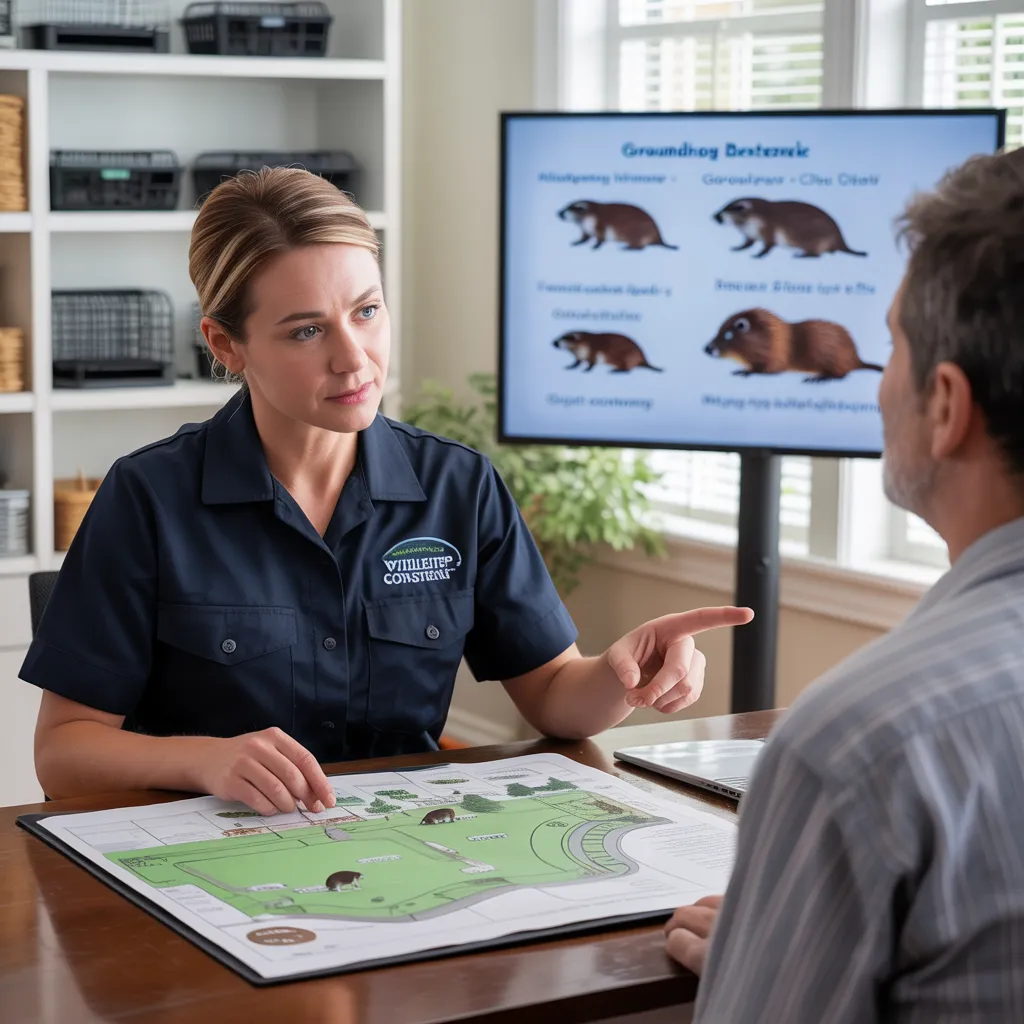
Recognizing Frequent Creature Pests and Their Dangers
Property owners regularly face a variety of animal intruders that pose significant dangers to property and health. Common intruders comprise rodents, raccoons, squirrels, and bats. Rodents, such as mice and rats, can damage insulation and wiring while transmitting diseases through their droppings. Raccoons are notorious for ransacking garbage and can spread parasites dangerous to people. Squirrels may chew wooden structures and electrical wiring, causing potential fire hazards. Bats, while beneficial for insect control, can present health risks through their droppings, which may contain histoplasmosis spores. Each of these pests not only threatens the physical integrity of a home but also the well-being of its occupants. Recognizing the indicators of infestations, such as droppings, gnaw marks, and nests, is crucial for homeowners. Prompt recognition enables for quick action, reducing the associated with these common wildlife pests.
Comprehending the Consequences of Pest Management on Your Home
Effective pest management measures shape the safety and integrity of a property. When wildlife is handled properly, property owners can mitigate potential harm caused by pests, such as structural decay and contamination of food sources. A preventative strategy to pest management not only protects physical assets but also enhances the overall health of the environment surrounding the property.
Moreover, efficient control reduces the likelihood of pathogen spread, safeguarding both inhabitants and domestic animals. Wildlife can carry diverse infectious agents that represent threats to human health; therefore, regulating these populations is essential for maintaining a safe living space. Additionally, effective wildlife control instills a sense of confidence, allowing property owners to take part in outdoor activities without fear of interactions with pests. At the end of the day, grasping the impact of wildlife management is vital for confirming that a property continues to be a safe, sound, and welcoming environment for its occupants.
Verified Practices for Controlling Animal Outbreaks
Putting preventative actions in place is vital for stopping wildlife infestations. Property owners can considerably decrease the risk by maintaining cleanliness and securing food sources. This requires appropriate garbage handling and storing pet food indoors. Additionally, sealing entry points, such as foundation openings, air vents, and smoke stacks, can deter animals from entering structures.
Landscaping is fundamentally important; removing trees and shrubs from building areas reduces potential nesting sites. Installing fences around gardens can better defend against herbivorous wildlife.
Frequent inspections of the property help uncover signs of potential infestations early, additional info allowing for timely interventions. Utilizing motion-activated lights or noise deterrents can also discourage wildlife from approaching.
Humane Creature Removal Strategies to Review Next
Adopting ethical wildlife control methods promotes a equilibrium between safeguarding residences and honoring creature rights. These approaches highlight humane approaches to handle animal encounters successfully. One standard method is the application of live traps, allowing for the secure capture and movement of animals without harm. Additionally, preventive approaches, such as closing off openings and eliminating food sources, can deter wildlife from accessing properties.
Changing habitat is another considerate method, consisting of the alteration of locations to make them less tempting to unwelcome animals. For instance, maintaining tidy yards and storing trash in secure containers can greatly reduce creature encounters.
Furthermore, using organic deterrents, such as predator scents or pungent materials, can encourage wildlife to stay away. These strategies not only protect property but also promote coexistence with local wildlife, fostering a harmonious relationship between humans and nature.
When do you need to reach out to wildlife removal experts?
Recognizing when to engage wildlife control experts often copyrights on detecting proof of infestation and evaluating property destruction. Homeowners should keep watch for unusual animal movements or observable proof of wildlife activity. Prompt response can stop continued destruction and assure safe and humane extraction of any intruding animals.
Symptoms Of Pest Presence
Identifying the signs of a wildlife infestation is crucial for prompt intervention. Homeowners should remain vigilant for various clues that may suggest the presence of unwelcome creatures. Typical signs include droppings, which can vary in size and shape depending on the species, and strange noises, particularly during the night. Furthermore, marks or scratches on walls and surfaces may indicate animal presence, while tunnels or nests discovered around the property can further confirm an infestation. Unexplained food shortages, chewed wires, or damaged insulation may also suggest wildlife intrusion. If these signs are noticed, it is important to consult wildlife control professionals to assess the situation and implement effective answers before the problem worsens.
Property Harm Assessment
Evaluating damage to property caused by wildlife is crucial for homeowners facing possible infestations. Signs of damage can include chewed wires, chewed wood, and damaged insulation, often indicating the presence of rodents or other animals. Homeowners should also inspect for animal droppings, materials used for nesting, and structural weaknesses, which can lead to expensive repairs if not dealt with quickly. Additionally, water damage from animal entry points can weaken the integrity of a property. When the extent of damage is significant or if the source of the infestation is unclear, it becomes important to call wildlife control professionals. These experts can assess the situation, implement efficient removal methods, and prevent future issues, ensuring the property remains safe and intact.
Strategies to Prevent Wildlife from Approaching for the Long Haul
Deterring wildlife at bay requires a comprehensive strategy that merges protective measures, habitat modification, and regular care. Strong prevention commences by protecting food supplies; homeowners should place pet food, birdseed, and garbage in sealed containers. Removing moisture sources, such as clogged gutters or pooled water, also reduces wildlife interest.
Habitat modification is vital. Thick vegetation should be trimmed back, and potential nesting sites, like woodpiles and dense shrubs, must be eliminated. Installing fencing can deter larger animals from entering yards, while smaller creatures can be prevented by using barriers.
Continuous upkeep is necessary for sustained success. Frequent inspections of the premises should be conducted to detect new entry points or signs of wildlife presence. Prompt repairs and modifications will ensure that established obstacles remain functional. By consistently applying these strategies, homeowners can create an environment that discourages wildlife intrusion, protecting their homes and yards for the long haul.
Tips for Living Harmoniously With Local Wildlife
Living peacefully with local wildlife enhances both the natural surroundings and neighborhood well-being. To achieve this harmony, individuals can adopt many practical approaches. To begin with, securing trash bins and organic waste piles prevents animals from foraging, decreasing unwanted wildlife interactions. In addition, maintaining native plants in gardens creates a natural habitat that supports local species while minimizing non-native vegetation that may damage local ecological systems.
In addition, homeowners should steer clear of harmful pesticides, as these substances can detrimentally impact both wildlife and the surrounding environment. Teaching the community about animal behavior patterns in the area fosters awareness and minimizes worry. Installing wildlife-friendly fencing can also help defend plant areas without harming animals.
Ultimately, connecting with local conservation groups can furnish resources and support for eco-friendly practices. By introducing these strategies, communities can benefit from the advantages of local wildlife while protecting safety and sustainability for all.

Frequently Inquired Questions
What legal rules apply to Wildlife Control in My region?
Regional rules relating to wildlife management vary based on location and often demand permits, prohibited techniques, and predetermined seasons. People should consult local wildlife agencies for exact guidelines to ensure conformity with regional laws and regulations.
What Amount Can You Expect to Pay for Professional Animal Removal?
Professional wildlife control typically ranges between $200 and $600, depending on variables like the kind of animal, severity of the infestation, and necessary treatments. Additional fees may apply for return appointments or prevention services.
Will Wildlife Control Procedures Damage Pets or Livestock?
Wildlife control methods can possibly injure domestic animals or farm animals if not carefully handled. Some approaches may unintentionally impact unintended wildlife, emphasizing the importance of choosing skilled experts who place emphasis on the welfare of every animal present.
What manner Ought to I React if I Find Wounded Wildlife on My Land?
If you discover injured wildlife, remain calm and observe from a distance, never touch it, and call local wildlife rehabilitation services or animal control for professional assistance to make sure the animal receives proper care.
Do seasonal fluctuations in creature activity exist that I should understand?
Seasonal cycles in wildlife activity often peak during spring and fall. Animals may be more evident pursuing food and shelter, while winter brings dormancy or migration. Awareness of these patterns aids in effective wildlife management.